
|
Eager Space | Videos by Alpha | Videos by Date | All Video Text | Support | Community | About |
|---|

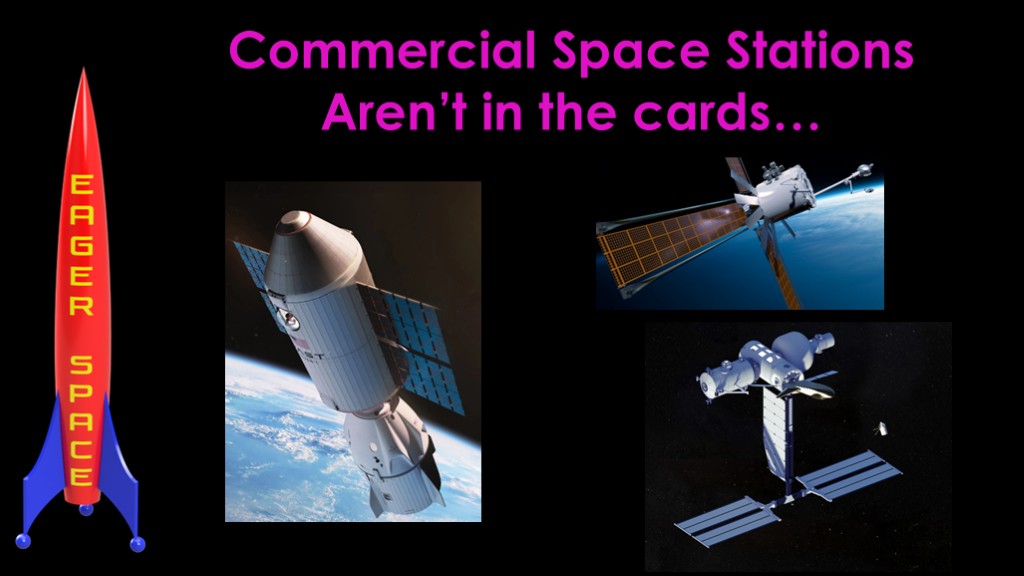
Welcome to eager space...
I periodically allow my youtube members to ask me questions, some of which I choose to answer. This one is about commercial space stations...
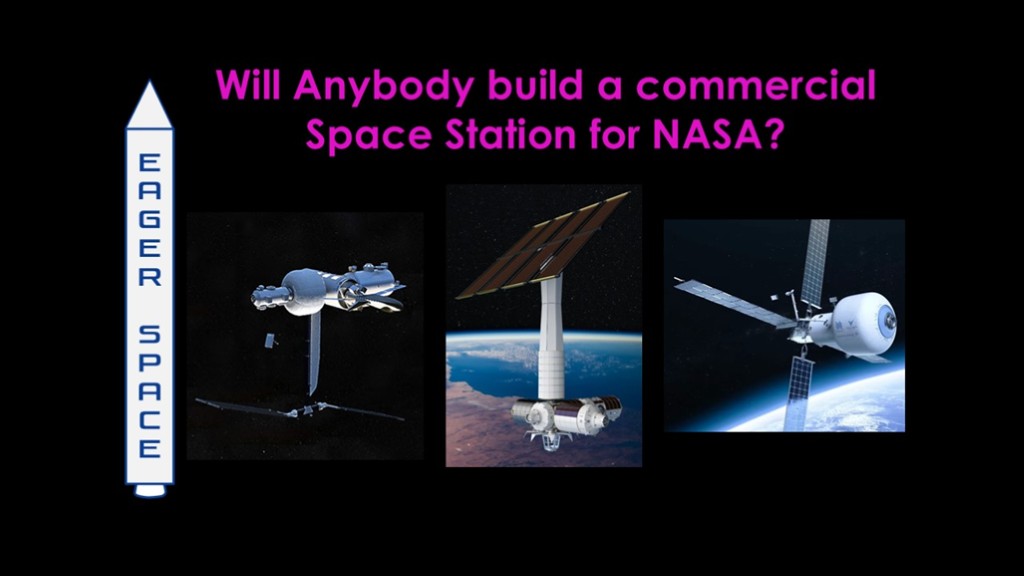
About two years ago I did a video on the commercial LEO space station program. My assertion was that NASA and the commercial providers hadn't come up with an approach that made fiscal sense for any of the commercial companies.
Have things changed?
The answer to that is no, yes, and no. And yes.
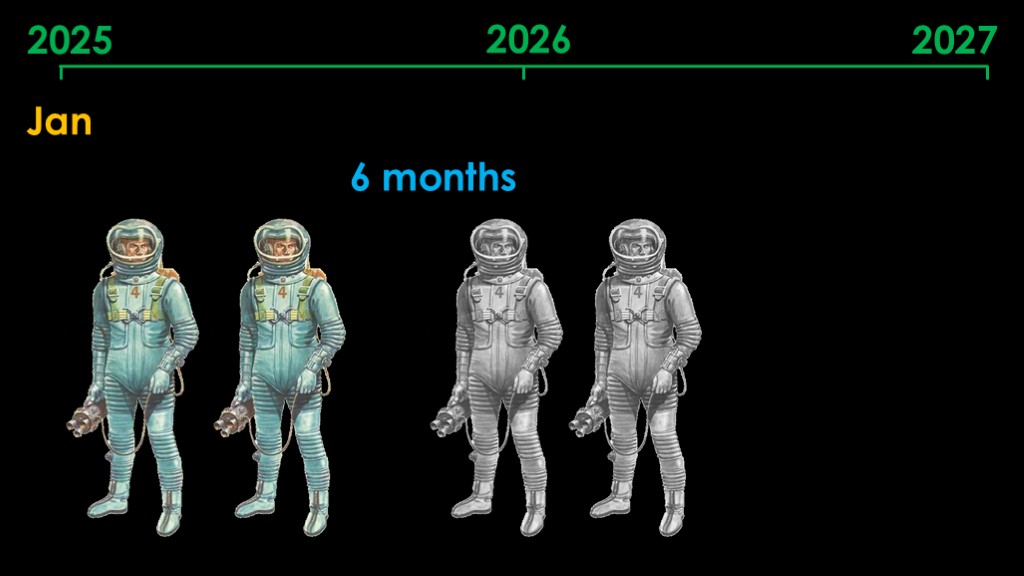
Originally, the requirement for providers was that their station should have the capability to host two US government astronauts for a 6 month mission.
Because NASA didn't want to spend astronaut time on housekeeping, that meant a station would likely have an employee plus another astronaut for a 4 person crew.
And then I complained about the model.
If NASA flew two missions a year, they would only be paying for half of the space station capacity and with one mission, only one quarter. Is there commercial demand for the rest of the time? It's not clear that there is.
Worse, there is a huge amount of uncertainty. The ISS has been an ongoing thing because it's a US asset and it's a matter of national pride - nobody in congress wants to see it underutilized.
That was the case at the beginning of 2025.
That's not the case, however, for commercial stations. Even if NASA gets enough money from congress - and neither the NASA requests nor the congressional appropriations have measured up to NASA's goals in this area - there's no guarantee that congress will fund any contracts that NASA makes.
That's a terrible problem for the commercial companies.
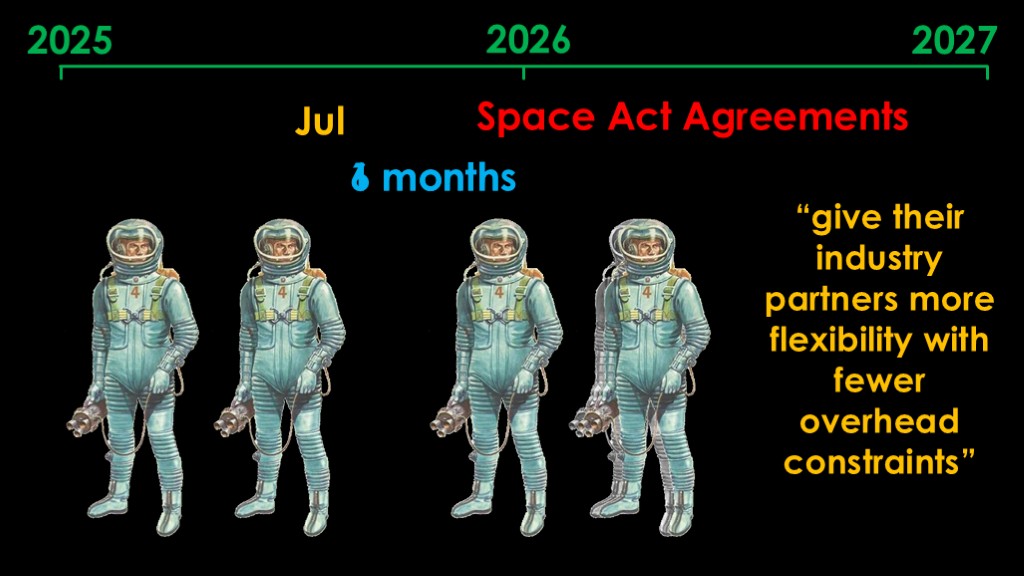
In July of 2025, NASA sent a memo to the providers saying that the existing requirements didn't work for NASA because they didn't have the budget.
The two persons for 6 month requirement was changed to 4 persons for 1 month. Part of their stated intention was to "give their industry partners more flexibility with fewer overhead constraints.
That may indeed be true, but it also reduced the value of a NASA contract significantly. In the 6 month model, it would have been a 25-50% occupancy by NASA, but with the one month model, it's 4-8 % per visit, depending on whether the commercial provider supplies astronauts or it's all government astronauts.
That's roughly a 6x cut in what you get paid for. NASA might conceivably buy more than a month, but if they only buy one month they hardly qualify as an anchor tenant. The NASA-supported cash flow might only be 1 month out of 12.
Transportation costs are of course are the same for a 1 month or a 6 month mission - there's a reason why ISS expeditions are 6 months long.
This is a matter of taking the current economics and making them worse, at least from what you get from NASA.
There was one bright spot - NASA planned to fund most of phase 2 development with Space Act agreements, which are NASA's super power. That allows them to do contracts for development before they do contracts for operation, the approach used for ISS cargo and crew programs.

In the old world, phase 2 of the program would be firm fixed price for design acceptance and certification planning. That is difficult for the companies as they don't currently know how much things will cost. This was a significant problem in the commercial cargo program - SpaceX had to commit to a firm fixed price contract before they had done any real development on Falcon 9 or cargo dragon.
In the new world, they would continue to fund development through space act agreements and push the firm fixed price part into the future.
This is a great idea. Space Act agreements are especially intended for developmental activities, and this should help the companies a lot.
https://www.exterrajsc.com/p/the-frozen-pipeline
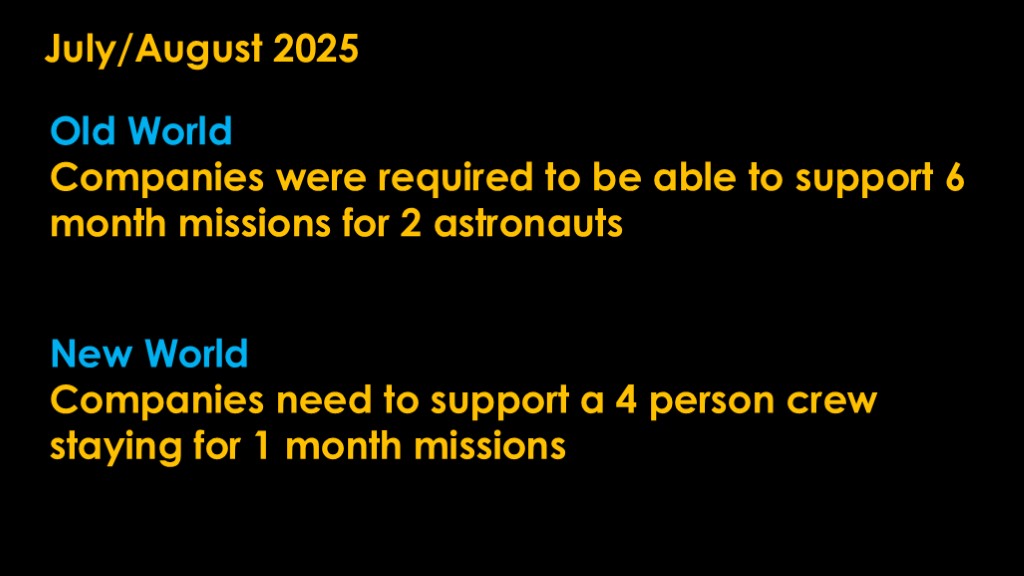
In the old world, companies were required to support 2 astronauts on 6 month missions.
In the new world, companies need to support a 4 person crew for 1 month missions.
The intention here is to make the bar lower and easier to meet. That's a good thing, and it's also good in that you send 4 people up for a mission and then presumably bring them back on the same vehicle, which would reduce transportation costs.
The downside is that this isn't a high level of utilization - you might get 1 month a year from NASA. You'll need to figure out what your market is for the remaining 11 months.
I'm not sure this is worse than the original plan, but what the providers need to close the business case - to make it viable - is an ongoing contract.
In this past, this understanding seemed to be alien to NASA as NASA programs never have to make money.
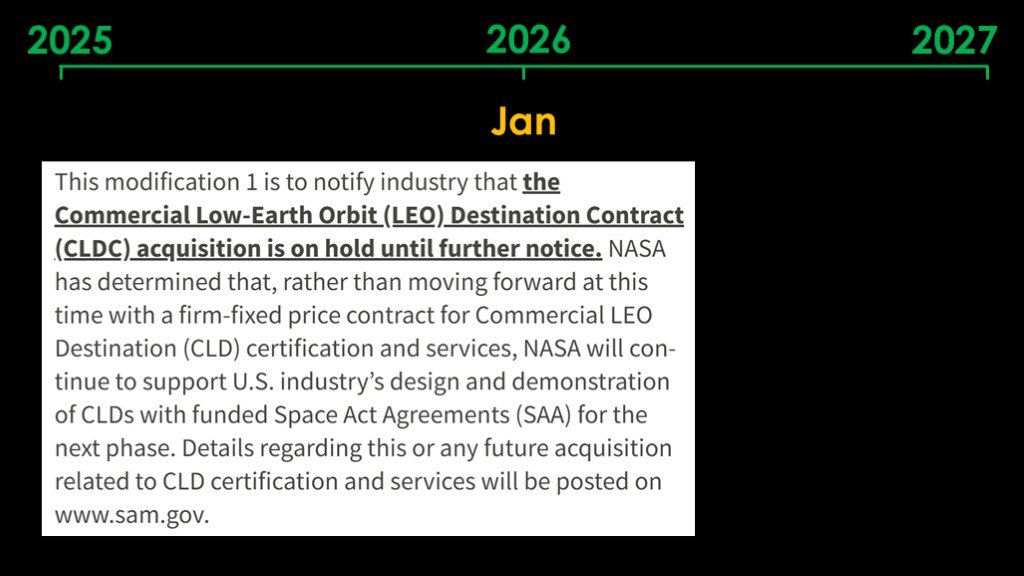
In January of 2026 - very soon after Jared Isaacman was confirmed as NASA administrator - NASA published the following contract modification to the commercial leo contractors.
(read first part)
This is another indication that NASA *does not understand* commercial businesses. A hold is fine for NASA - they get new money every year regardless of what they have accomplished.
The problem is that all of the commercial LEO contractors have signed contracts to do specific things and have staffed up teams - spent money - to try to reach the specific milestones NASA has defined. They have done this with the goal of getting operational contracts from NASA. Those contractors are spending money on a monthly basis to run their programs.
If the program were outright cancelled, there are standard ways to handle the situation under federal acquisition rules. Nobody who had invested would be happy, but they would know what the future looked like and move on.
In a hold, the companies - and their sub-contractors - are committed to the contracts that they signed. They would like to continue executing on those contracts, but NASA has put that on hold so the contractors need to figure out how to keep their teams up and running until some unspecified date when the program might be restarted or cancelled.
This sort of thing does not make companies happy.
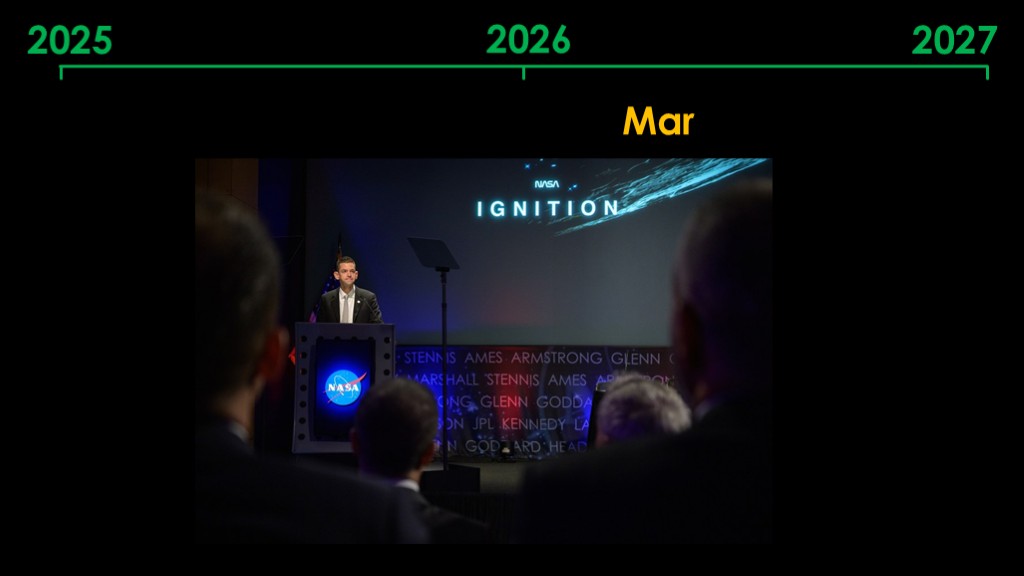
In March of 2026, we got the ignition event.
It talked about a lot of stuff - a base on the moon, an accelerated cadence of launches, and a nuclear electric mars mission.
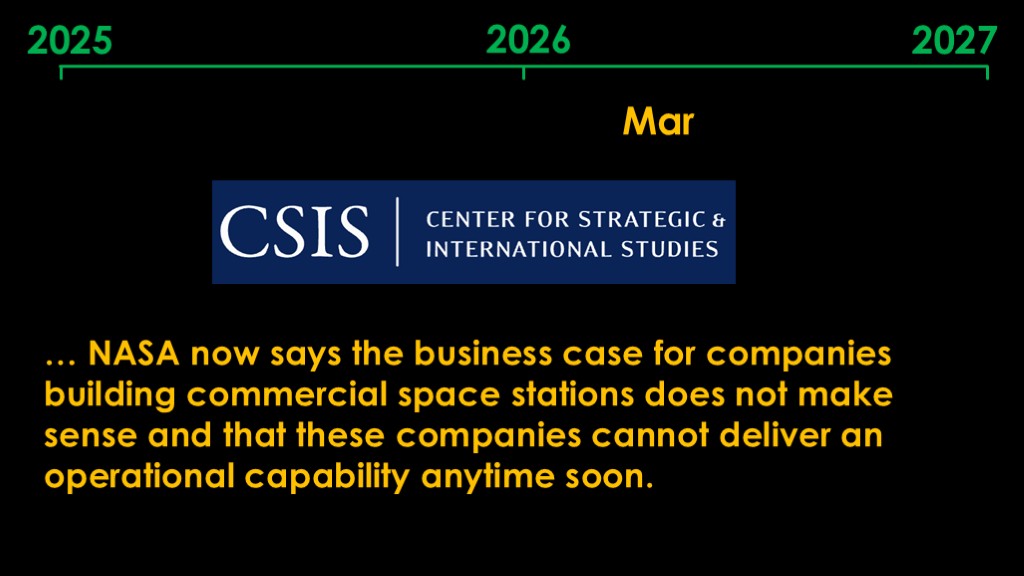
It also talked about the Commercial LEO program. Their message was summarized by the center for strategic & international studies:
(read)
I'm not sure whether there is a business case for commercial stations or not but there are companies that believe that there is, and it's not NASA's role to publicly say they are wrong, making it harder for them to raise money and working against the supposed goals of the program.
A second problem with this statement is the "operational capability" part. NASA has been asking companies to build space stations that met all of the NASA standards - hundreds to thousands of them - in effect, a new ISS. And they expected this to somehow be cheaper than the *operational* costs of ISS, a station that cost the US in excess of $100 billion to build.
This is simply an unrealistic expectation. If NASA wants to save money with commercial stations, they'll need to let the commercial station providers set the standards and NASA can give feedback where they can't accept a specific decision.
This is a great example of the "we know better" attitude at NASA, and it's likely they will "we know better" right out of an human presence in low earth orbit.
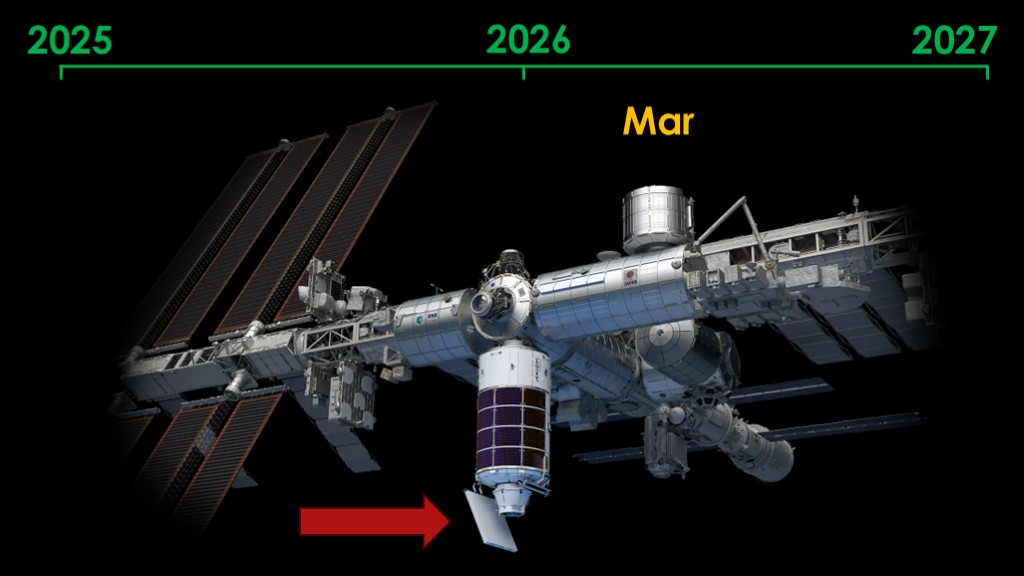
Because they deemed the existing approach unviable, they shifted into a different approach. Instead of funding free flying space stations, NASA would fund a government owned core module attached to the ISS that private stations could later attach to. It would presumably become a free flier when ISS is deorbited.
Very much like this ISS module that Axiom space is developing under a separate NASA contract - so much so that the common comment was that it looked like NASA was just buying the Axiom space module.
The pushback from the current companies was rapid and organized.
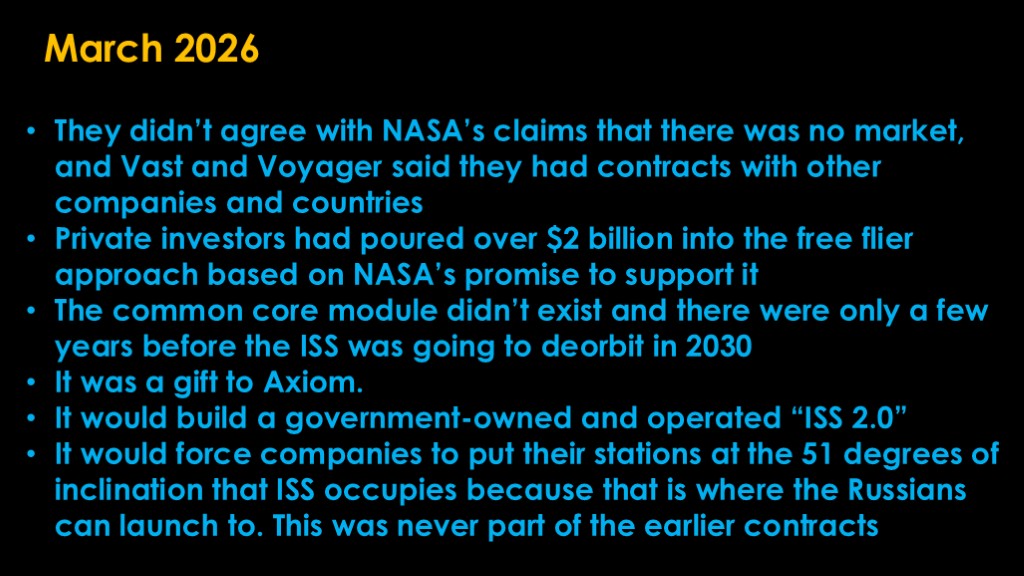
The didn't agree with NASA's claims that there was no market, and Vast and Voyager said they had contracts with other companies.
Private investors had poured over $2 billion into the free flier approach based on NASA's promise to support it.
The common core module didn't exist and there were only a few years before the ISS was going to deorbit in 2030. Flipping to this new approach would involve delays and expense.
It was a gift to Axiom.
It would build a government-owned and operated "ISS 2.0"
It would force companies to put their stations at the 51 degrees of inclination that ISS occupies because that is where the Russians can launch to. This was never part of the earlier contracts.
NASA quickly backed away from the new concept and restored the free flier concept, with independent commercial stations. But they changed the model yet again.
NASA would award early development contracts to at least two station builders.
And NASA will switch from space act agreements to firm fixed price contracts. In a program where the model has the firmness of a bowl of jello, this is very problematic. I don't see how you can come up with a reasonable program cost estimate in the face of such uncertainty.
Unfortunately, the current draft still retains the "build NASA a station like ISS" with a very dense set of requirements and significant approval authority vested in NASA.
But I think that it's possible that none of this really matters...
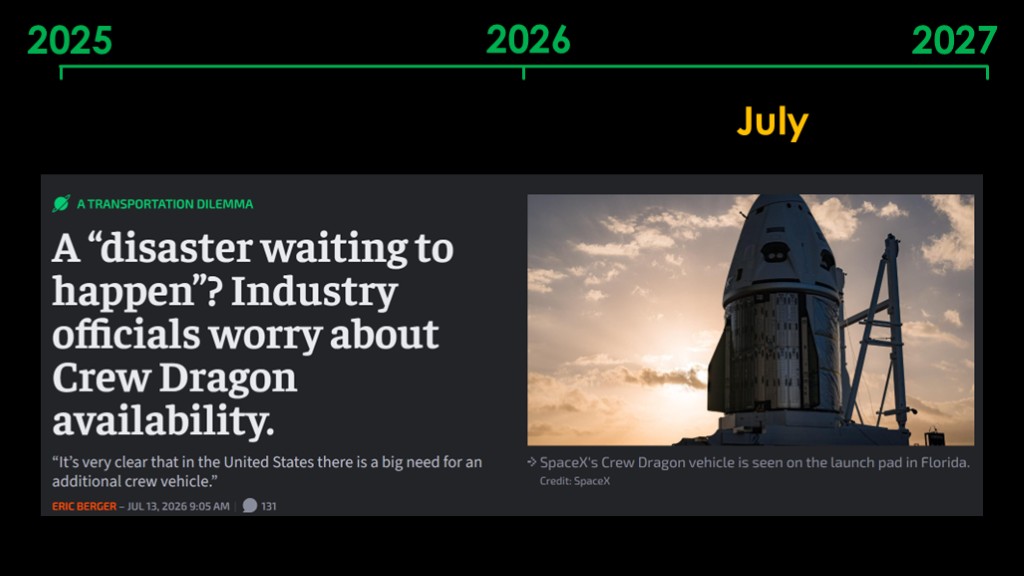
In July, Eric Berger wrote an article about SpaceX president Gwynne Shotwell's statement that Falcon 9 and crew dragon will only fly for a finite number of years, perhaps for less than a decade.
This decision makes a lot of sense.
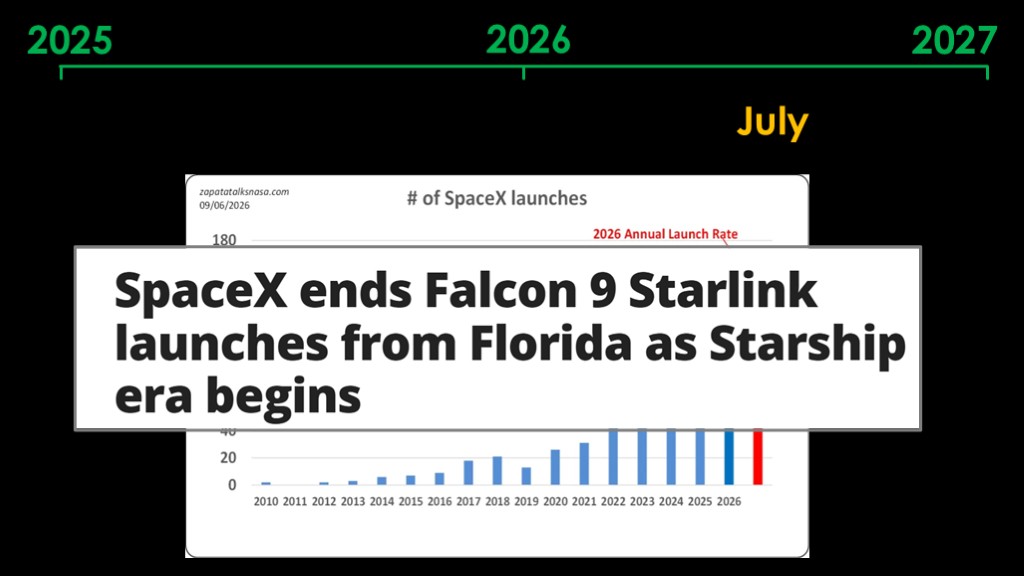
We are used to the steadily increasing number of flights for Falcon 9, most of them starlink launches from Florida, but SpaceX recently announced that they are done launching starlink on Falcon 9 for Florida.
They will continue to finish the constellation with flights from Vandenberg in California, but they really need to start flying the version 3 starlink satellites and those need starship.
In the short term, there are other payloads to fly, including 10 flights to launch Amazon's LEO sats planned for the remainder of 2026. They also have a bunch of NSSL payloads to fly for the government in 2027.
But the large Starlink launch rate that made all the non-starlink flights cheaper has gone away, and that might mean that other flights get more expensive, and we can therefore expect non-NASA crew and cargo missions to get more expensive.
But that's not the only issue.
Flying crew dragon and being the only company flying a crew vehicle was a great milestone for SpaceX, a sign that they had arrived.
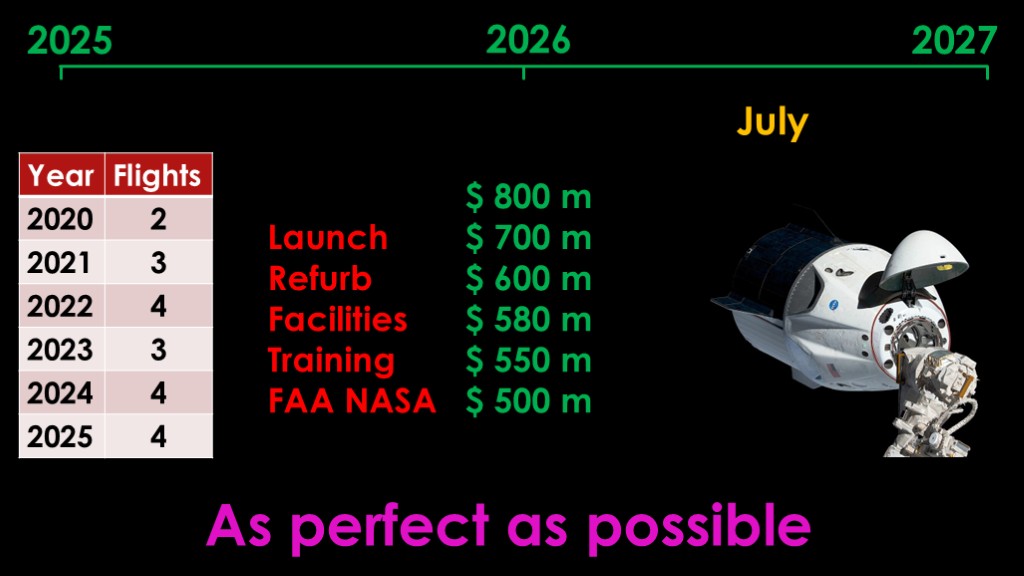
But it's not really a very good money maker. By my count, they have flown 20 times through 2025. Assuming $200 million ish per launch that's $800 million in revenue for the past couple of years.
But there are a lot of expenses. Launch is probably on the order of $100 million for 4 launches.
They have construction and refurbishment costs for the capsules. Capsules are very, very complex and recertifying them for flight is going to take a lot of effort. I'd be surprised if this is less than $25 million a flight and it might be $50 million a flight.
They have facilities that are only used for crew dragon. Let's say $20 million a year for the launch tower, the astronaut training facilities, the suit factory, etc. Plus they need to have the teams that create training, run astronauts through training, simulations, etc. They also have the space suit employees. Let's say $30 million for that.
Then there are special things you have to do for the FAA or NASA when you are flying humans. Lots of extra regulations, lots of validation, etc. I'm going to call that $50 million.
All the special things that only apply to crew dragon add up, and I'm sure I haven't captured all of them.
Another factor is that NASA and the FAA both want crew dragon to be a vehicle that is stuck in time, with no changes in the design nor the procedures around how it is build, refurbished, tested, and launched. Stasis and repeatability is good, but that unfortunately makes it really hard to reduce costs.
And the last factor is a reason that I suspect the costs I guessed at are underestimates, because crew dragon is unique in that it flies humans. That means you really, really, really want to do your best to keep the crew safe, and that means being as perfect as possible.
The sort of oversight to do that is expensive, and I think SpaceX has looked at the market (not really that big) and the hassle factor (big) and has decided that crew dragon isn't a long-term project for them. They could get better return by moving those resources elsewhere.
So what are the options if Dragons Cargo and Crew are out of the picture?
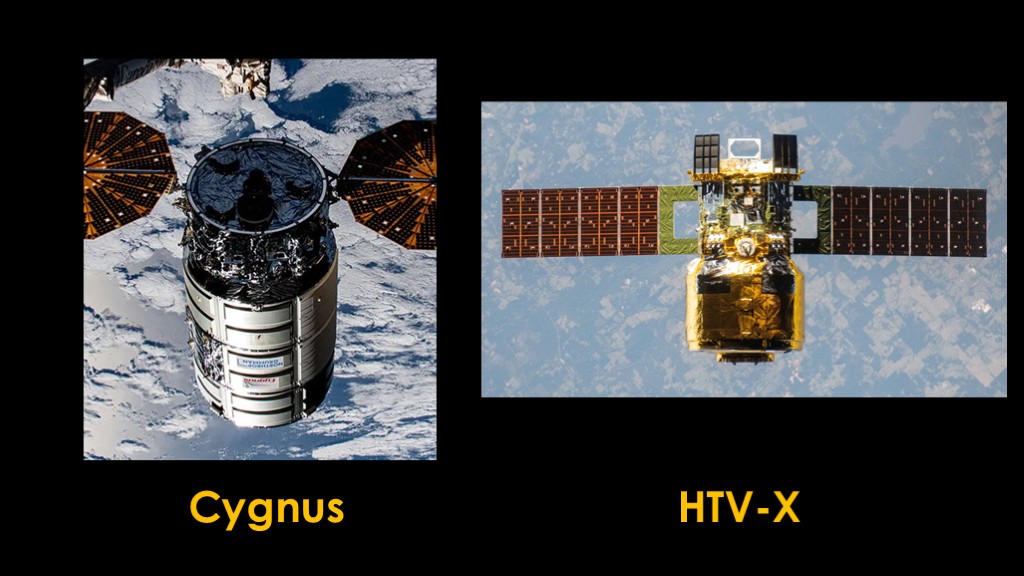
For cargo, you can fly on Cygnus, though unfortunately right now it can only ride on Falcon 9. It is scheduled to fly on the upcoming Antares 330, currently scheduled to fly sometime in 2027.
There is also Japan's HTV-X, flying on Japan's H3 launcher. That would be another option.
The only other supply capsules are the Chinese and Russian ones, which probably aren't an option.
Neither of this fly on a high cadence, but if you have enough lead time, maybe you can figure out how to do supplies.
If you don't have crew dragon, what are your options?
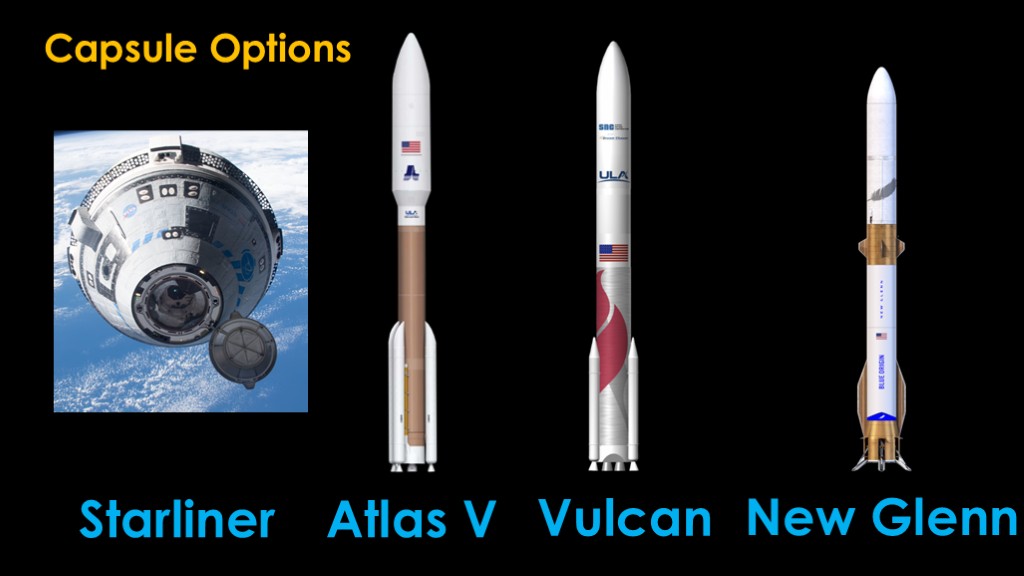
You could use starliner, assuming its certified in some way. Unfortunately, Starliner currently flies on Atlas V and there are precisely zero left after Starliner finishes its NASA work. It could fly on Vulcan, though Vulcan isn't currently crew rated.
It could also fly on New Glenn which is also not currently crew rated.
It bears noting that all of these options are likely to be much more expensive than crew dragon as both the capsule and the launchers are more expensive.
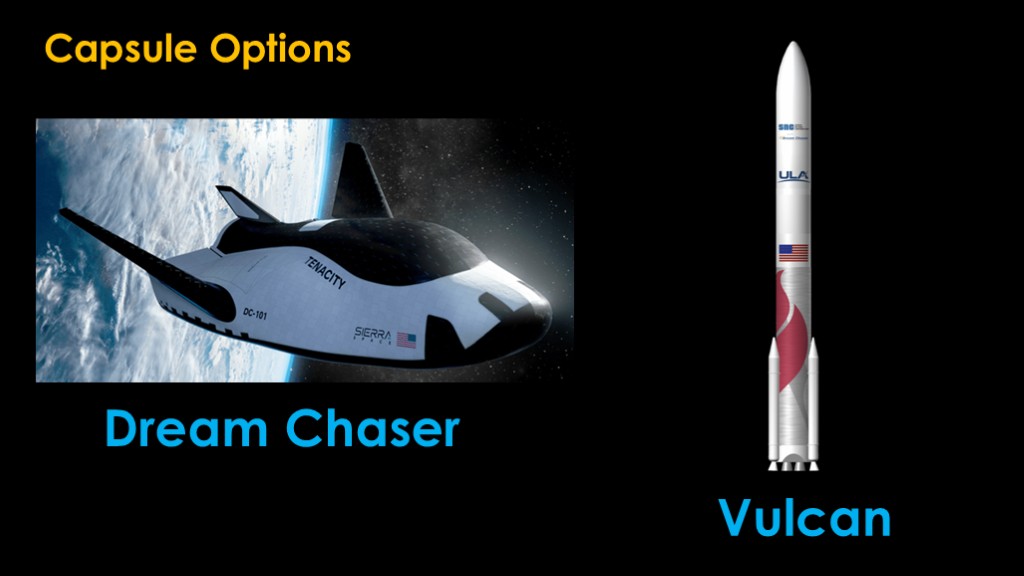
You could use dream chaser. It currently is planned to fly in late 2026, but that is for the cargo variant and it's not currently contracted with NASA.
It would likely fly on Vulcan, with the same sort of issues that apply to starliner.
I think those are the options for capsules.
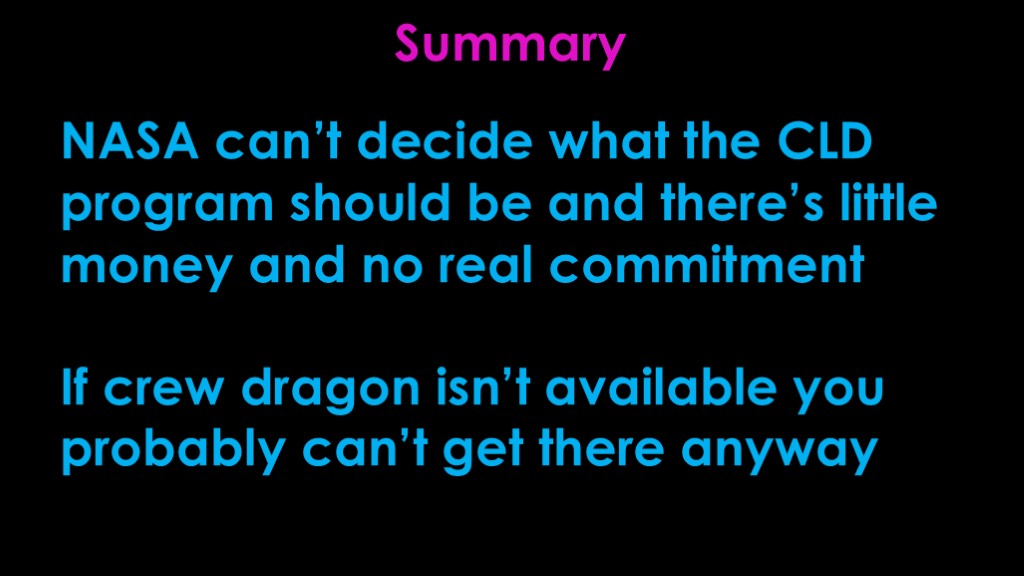
That's the current story.
NASA can't decide what the CLD program should be and there's little money and no real commitment. And they still don't understand what the commercial companies need to make it a viable business.
But if crew dragon isn't available and there is no replacement, you can't get people to your space station anyway.

Today's song is Under Pressure by Queen and David Bowie off the 1982 album Hot Space
https://www.youtube.com/watch?v=a01QQZyl-_I